





7 Westmoreland House, Cumberland Park, Scrubs Lane, London NW10 6RE
+44 20 8962 3400
info@capitalaccountants.co.uk

Category: All News

What should be included in holiday pay?

Holiday pay is not always calculated only based on basic salary. In many cases, regular overtime, commission payments, and certain allowances must also be included. This is especially important for employees with variable hours or irregular income. If holiday pay is calculated incorrectly, employees may receive less than they are legally entitled to. This can…
Read more


How much paid holiday are employees entitled to in the UK?

Most employees in the UK are entitled to 5.6 weeks of paid annual leave each year. For someone working 5 days a week, this usually equals 28 days of holiday. For part-time employees, holiday entitlement is calculated proportionally to the hours or days worked. This is one of the areas where employers often make mistakes,…
Read more

How HMRC’s AI impacts businesses and why accurate accounting is essential

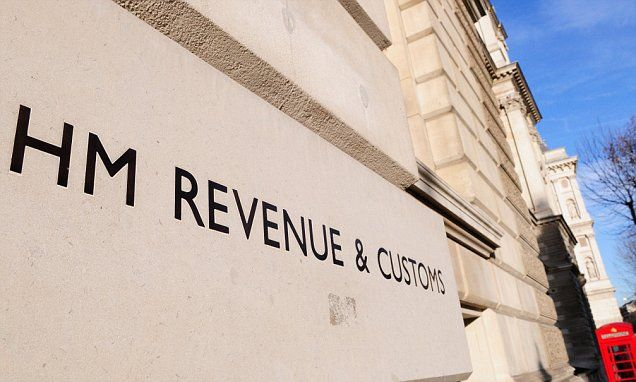
The use of artificial intelligence by HMRC means a higher level of scrutiny for every submitted tax return. Algorithms can quickly detect even minor mistakes, discrepancies between reports, or unusual financial transactions. For businesses, this increases the level of risk: more frequent HMRC enquiries, additional investigations, potential penalties, and the need to explain even small…
Read more

HMRC introduces artificial intelligence for analysing tax returns

The UK tax authority (HMRC) is increasingly using artificial intelligence to review tax returns submitted by both businesses and individuals. AI systems allow large volumes of financial data to be processed quickly, helping to identify possible errors, inconsistencies, or unusual financial activity. These technologies enable HMRC to automatically compare information from different sources — including…
Read more

Right to Rent: Why Compliance Matters

Landlords in England are required to carry out Right to Rent checks before entering into a tenancy agreement. Failure to comply with these requirements can result in significant penalties and other legal consequences. While the checks themselves must be completed by the landlord or letting agent, professional accounting support can help ensure proper record-keeping, regulatory…
Read more

Making Tax Digital: are you ready?

The rollout of Making Tax Digital (MTD) for Income Tax is one of the biggest changes to the UK tax system in recent years. From April 2026, self-employed individuals and landlords with annual qualifying income over £50,000 will be required to comply with MTD rules. From April 2027, the threshold will reduce to £30,000, bringing…
Read more

How to spot business problems

Profit shows how much a company has earned on paper. Cash flow shows how much money is actually available. That is why successful businesses pay close attention to their cash flow. A company can be profitable and still struggle to pay salaries, suppliers, or operating expenses. This often happens when customers delay payments while business…
Read more

Taking money from an Ltd: what many directors get wrong

Many Ltd directors assume they can withdraw money from the company at any time. In practice, such withdrawals are often treated as a Director’s Loan rather than salary or dividends. If the loan is not repaid on time or properly recorded, it can trigger additional tax charges, penalties, and scrutiny from HM Revenue and Customs.…
Read more

When VAT registration becomes mandatory

In the UK, VAT registration is required once turnover exceeds £90,000. However, this threshold is calculated on a rolling 12-month basis, not per calendar year, according to HM Revenue and Customs. Many businesses miss this and register late, leading to backdated VAT, penalties, and interest. We help you stay on top of your thresholds and…
Read more

Most common reasons Ltd companies are fined in the UK

The main penalties for LTD companies in the UK are related to missed deadlines for reporting and tax payments. According to HM Revenue and Customs and Companies House, the most common reasons include: Most penalties arise from missed deadlines rather than complex violations. Repeated delays can lead to significant fines and even company strike-off. We…
Read more